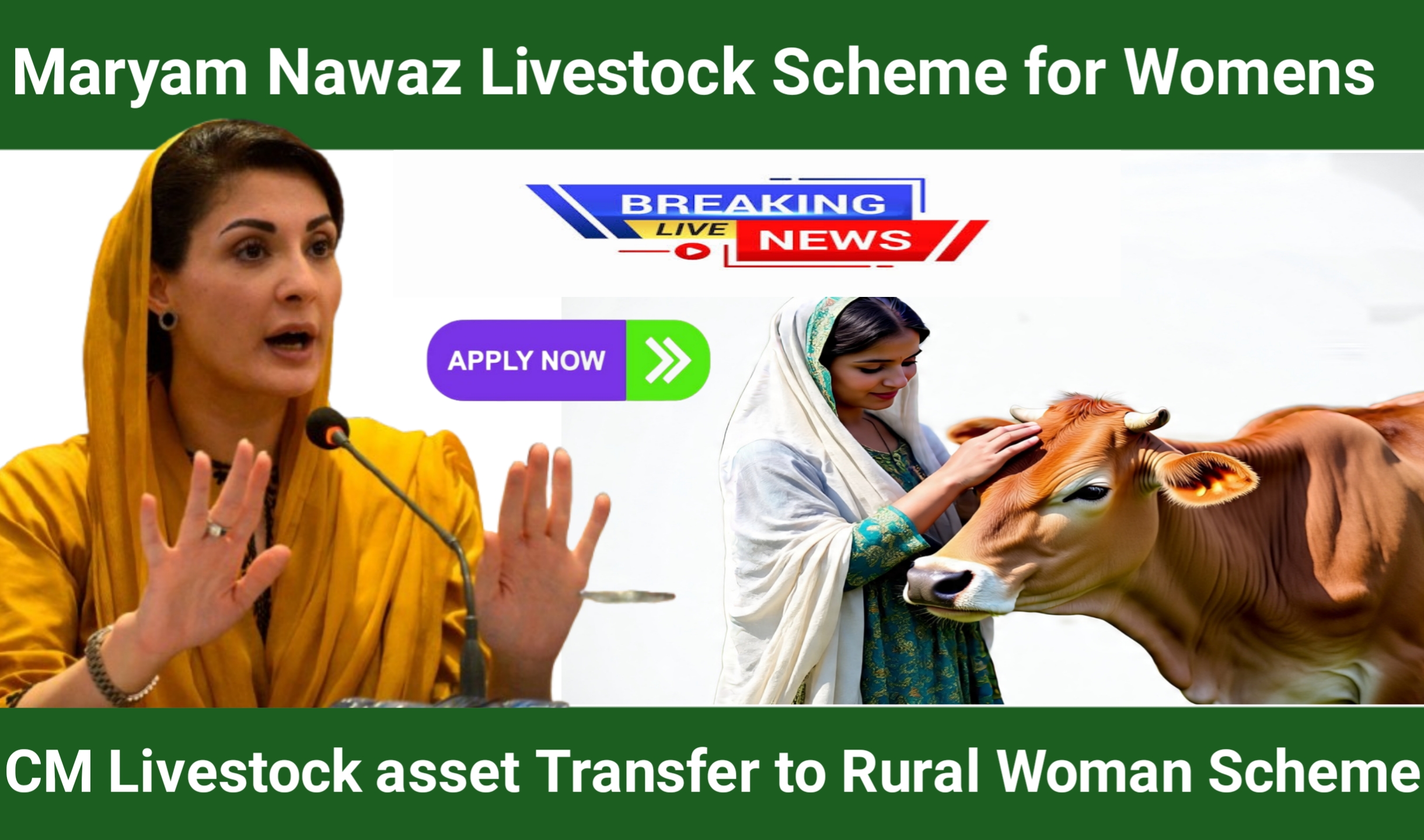
In the heart of India’s rural landscapes, a quiet but profound revolution is underway. It’s a revolution powered not by machinery, but by the gentle lowing of cattle, the bleating of goats, and the determined spirit of women who are becoming the new custodians of livestock-based livelihoods. At the forefront of this transformation is the Chief Minister’s Livestock Asset Transfer to Rural Women Scheme, a visionary program that has, since its inception, sought to alter the economic and social fabric of rural communities by placing productive assets directly into the hands of women. The recently announced 2026 Update of the scheme marks a significant evolution, expanding its scope, deepening its impact, and integrating cutting-edge support mechanisms to build a more resilient and empowered rural economy.
The Foundational Pillar: From Dependence to Ownership
The core philosophy of the scheme has always been elegantly simple yet radical: economic empowerment through asset ownership. Traditionally, rural women have been integral to livestock management—feeding, milking, and caring for animals—yet they seldom owned these assets. Ownership resided with male family members, limiting women’s financial autonomy and decision-making power. The scheme shatters this paradigm by directly transferring high-yield livestock units—such as pregnant dairy cows, buffaloes, or high-breed goats—to women from Below Poverty Line (BPL) families, Scheduled Castes (SCs), Scheduled Tribes (STs), and other marginalized groups.
This transfer is not a mere donation; it is an investment in a sustainable micro-enterprise. A single milch animal can provide a continuous stream of nutrition for the family and a steady income from the sale of surplus milk. The manure contributes to organic farming, creating a synergistic cycle of prosperity. By making women asset owners, the scheme catalyzes a multiplier effect: enhanced household income, improved nutritional security, increased self-esteem for the women, and greater investment in children’s education and health.
The 2026 Update: Key Enhancements and Strategic Shifts
The 2024 iteration of the scheme has been widely lauded for its success. Building on this foundation, the 2026 Update introduces a series of strategic refinements designed to address challenges, leverage technology, and ensure long-term sustainability.
1. Diversification of Asset Portfolio:
Moving beyond a primary focus on dairy animals, the 2026 update introduces “Integrated Livestock Packages.” Beneficiaries can now opt for tailored combinations. For instance, a package might include a dairy animal alongside a unit of backyard poultry or a pair of goats. This diversification mitigates risk—if one stream faces a challenge (like a seasonal drop in milk yield), the other provides stability. It also optimizes the use of available homestead space and resources.
2. The Digital Ledger and Animal “Aadhaar”:
A cornerstone of the new update is the Digital Livestock Management System (DLMS). Each transferred animal will be tagged with a unique ID (akin to an Aadhaar card), linked to a digital profile accessible to the beneficiary via a simple mobile app. This profile will contain the animal’s breed details, vaccination history, health alerts, and optimal milking schedules. This system empowers women with knowledge, helps veterinary departments provide proactive care, and creates a verifiable record for insurance and breeding purposes.
3. Strengthened Veterinary and Extension Services Vanguard:
Recognizing that an asset is only as good as the support system around it, the update mandates a “One Beneficiary, One Para-Vet” linkage for the first two years. Locally trained para-veterinary professionals will be assigned a cluster of beneficiaries for regular check-ups, emergency support, and handholding. Furthermore, Mobile Veterinary Units (MVUs) will be bolstered with real-time tracking via the DLMS, ensuring faster response times to distress calls.
4. Forward Linkages and Market Assurance:
Earlier versions sometimes struggled with ensuring fair and consistent market access. The 2026 update institutionalizes this through “Milk & Produce Collection Cooperatives” exclusively managed by women beneficiary groups. The government will facilitate infrastructure like chilling units at village clusters and tie-ups with dairy federations and retail chains. A Minimum Support Price (MSP) framework for milk and a price stabilization fund for small ruminants are also under active consideration to protect women from market volatilities.
5. Climate-Resilient and Green Initiatives:
In a forward-thinking move, the scheme now incorporates climate-smart practices. This includes promoting native, heat-resistant breeds in vulnerable districts, training in water-efficient animal husbandry, and incentivizing the installation of small-scale biogas plants linked to cattle sheds. This not only provides clean cooking fuel but also aligns the scheme with national carbon-neutral goals, potentially opening up green finance avenues.
6. Focus on Succession and Enterprise Scaling:
The update introduces a “Daughter’s Heir” provision, encouraging the registration of a daughter as a co-owner, ensuring intergenerational asset retention and empowerment. For exemplary beneficiaries, “Graduation Loans” will be made available to expand their livestock units, venture into feed processing, or set up small curd/cheese making units, transforming them from beneficiaries into rural entrepreneurs and employers.
The Ripple Effect: Beyond Economics
The impact of the updated scheme promises to transcend mere economic metrics. When a woman becomes a recognized asset owner, her status within the household and the community is elevated. She gains a voice in gram sabha meetings, her financial contribution leads to more collaborative decision-making, and she becomes a role model for younger girls. The scheme acts as a potent tool for disrupting patriarchal norms and fostering a more gender-equitable society.
Furthermore, by boosting localized dairy and meat production, the scheme enhances nutritional security at the village level and reduces the economic drain of importing these products from afar. It promotes sustainable agriculture through organic manure, creating a circular economy.
Challenges and the Road Ahead
The success of the ambitious 2026 update hinges on seamless implementation. Key challenges include ensuring the quality of livestock during bulk procurement, preventing the distress sale of assets during family crises, and maintaining the momentum of veterinary services. Continuous monitoring, robust grievance redressal, and community-led vigilance committees will be crucial.
The CM Livestock Asset Transfer Scheme’s 2026 Update is more than a welfare program; it is a blueprint for inclusive rural development. It intelligently blends asset-based empowerment with digital innovation, market integration, and climate consciousness. By betting on the resilience, wisdom, and entrepreneurial spirit of rural women, the scheme is not just transferring livestock—it is sowing the seeds for a more prosperous, equitable, and self-reliant rural India. As these women lead their herds to pasture, they are, in essence, leading their families and communities toward a future of dignity and sustainable prosperity. The 2026 update ensures this journey is better supported, more secure, and full of greater possibility than ever before.