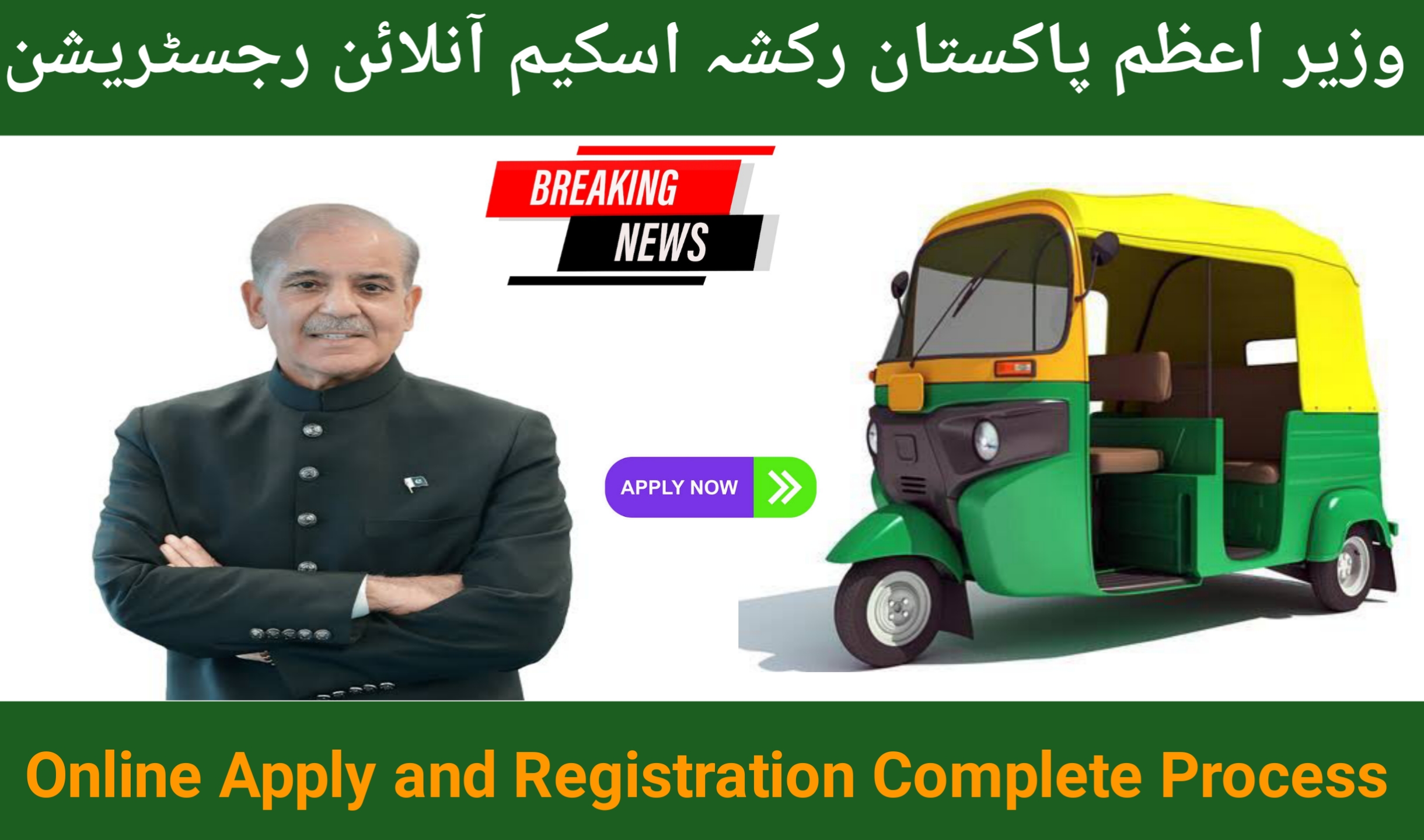
Philosophy and Vision: Beyond a Mere Vehicle
The PM Rickshaw Scheme 2026 is more than a distribution program; it is a holistic intervention aimed at socio-economic uplift. Its core objectives are multifaceted:
-
Economic Empowerment: To break the shackles of the bahti system, where drivers pay a significant portion of their daily earnings to vehicle owners, perpetuating poverty. Ownership means the driver’s earnings become savings and investment in his family’s future.
-
Technological Modernization: The scheme promotes the shift towards electric and CNG rickshaws, addressing Pakistan’s urgent need for cleaner, more fuel-efficient transport solutions. This reduces the national fuel import bill and lowers the operational cost for the driver.
-
Poverty Alleviation: By creating asset ownership for one of the country’s most vulnerable working groups, the scheme directly contributes to poverty reduction and financial inclusion.
-
Formalizing the Informal Sector: Bringing rickshaw drivers into a structured financing and registration system helps integrate a significant part of the informal economy into the mainstream.
Eligibility Criteria: Who Can Apply?
To ensure the scheme benefits its intended beneficiaries—the genuine, struggling rickshaw drivers—stringent yet fair eligibility criteria have been established:
-
Nationality & Age: The applicant must be a Pakistani citizen with a valid Computerized National Identity Card (CNIC). The age bracket is typically 25 to 50 years, though this should be verified in the official guidelines.
-
Professional Status: Primary applicants must be existing rickshaw drivers with verifiable experience. Proof of profession, such as a license or attestation from a relevant union/local government, is mandatory.
-
Poverty Score: Preference is given to individuals and families falling below a certain poverty threshold, often verified through the National Socio-Economic Registry (NSER) survey conducted by the Benazir Income Support Programme (BISP).
-
No Prior Government Vehicle Scheme Benefit: The applicant or their immediate family should not have previously benefited from a similar federal government vehicle distribution scheme.
-
Driving License: Possession of a valid rickshaw driving license is compulsory.
The Registration and Application Process: A Step-by-Step Walkthrough
The government has aimed to make the process as transparent and accessible as possible, primarily leveraging digital platforms to minimize corruption and delay. Here is the full process:
Step 1: Awareness and Information Gathering
Prospective applicants should first visit the official scheme website (which will be hosted under a government domain like pakistanrickshaw.pmyp.gov.pk) or visit designated information centers at Tehsil Municipal Administration (TMA) offices or BISP centers. This is crucial to avoid misinformation from middlemen.
Step 2: Online Registration (Portal-Based)
-
Access the Portal: Navigate to the official PM Rickshaw Scheme 2026 web portal.
-
Create an Account: Register using your active mobile number and CNIC. An OTP will be sent for verification.
-
Fill the Application Form: Complete the digital form with meticulous accuracy. Required information includes:
-
Full name (as per CNIC)
-
Father’s name
-
CNIC number and date of birth
-
Contact details (phone, address)
-
Family details and NSER/BISP survey number (if applicable)
-
Current rickshaw driving details (vehicle number, if any, and area of operation)
-
Driving license number
-
-
Upload Scanned Documents: Attach clear, scanned copies of:
-
CNIC (Front & Back)
-
Valid Rickshaw Driving License
-
Recent Passport-sized Photograph
-
Proof of Income/Poverty (BISP card or NSER certificate if available)
-
Any other document specified in the guidelines.
-
Step 3: SMS-Based Registration (Alternative Method)
For those with limited internet access, an SMS service is usually activated. Applicants can send their CNIC number to a specified shortcode (e.g., 8171). They will receive a reply with instructions and a link to complete the process via a simplified mobile interface or a visit to a facilitation center.
Step 4: Verification Process
This is the most critical phase. The submitted application undergoes multi-tier verification:
-
NADRA Verification: For CNIC authenticity.
-
Traffic Police Verification: For driving license validity.
-
BISP/NSER Verification: For poverty score and eligibility.
-
Field Verification: Local government officials or assigned teams may conduct physical verification of the applicant’s residence and profession.
Step 5: Ballot/Computerized Selection
Due to anticipated high demand, the final selection of beneficiaries is typically made through a transparent computerized ballot (raffle draw) conducted in the presence of media and public representatives. This ensures fairness and eliminates bias.
Step 6: Notification and Acceptance
Selected beneficiaries are notified via SMS on their registered mobile numbers and their names are published on the official website. They are then required to formally accept the offer within a given timeframe through the portal or at a designated office.
Step 7: Financing Agreement and Training
The scheme operates on a subsidized installment plan. The beneficiary enters into a financing agreement with a partnered bank or financial institution. A nominal down payment may be required. Mandatory training sessions on vehicle maintenance, traffic laws, and financial management are often conducted before disbursement.
Step 8: Disbursement and Delivery
After training and financial formalities, the beneficiary receives the new rickshaw at a ceremonial distribution event in their district or region. The vehicle is registered in the beneficiary’s name, completing the transition to ownership.
Navigating Challenges: A Realistic View
While the scheme’s intent is noble, potential beneficiaries must be aware of challenges:
-
Digital Literacy: The online process can be daunting for some. Seeking help from designated facilitation centers is advised.
-
Scams and Fraud: Beware of individuals demanding money to “fast-track” or “guarantee” your application. The entire process is free, and selection is by ballot.
-
Patience is Key: Verification and selection can take months. Applicants should regularly check the portal or their SMS for updates using their application tracking ID.
Conclusion: Steering Towards a Brighter Future
The PM Pakistan Rickshaw New Scheme 2026 represents a significant stride towards inclusive growth. It acknowledges the rickshaw driver not as a mere statistic but as a vital economic actor deserving of dignity and stability. By following the outlined process diligently, eligible drivers have a tangible opportunity to change their destinies. For Pakistan, the success of this scheme will mean cleaner streets, a more formalized transport sector, and, most importantly, millions of households steering confidently towards a future of self-reliance and prosperity. The journey from a daily renter to a proud owner begins with a single, carefully filled application.