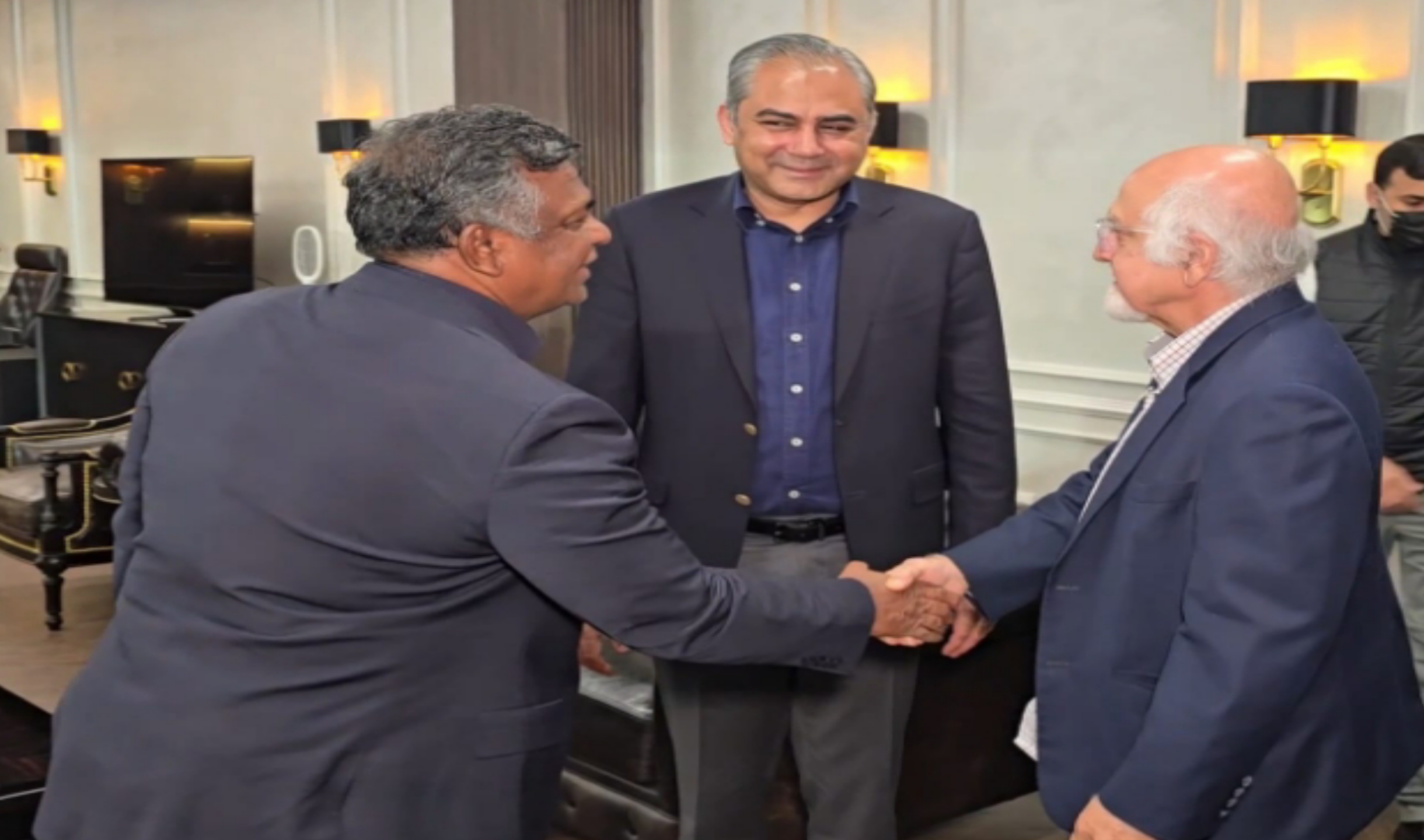
In the hushed, wood-panelled boardrooms of the International Cricket Council (ICC) in Dubai, a meeting is scheduled that carries the weight of history, geopolitics, and the very soul of international sport. On the agenda: a potential seismic rupture in the cricketing calendar—the possibility of the Pakistan Cricket Board (PCB) boycotting its marquee match against arch-rivals India, scheduled for February 15, 2026, in a major global tournament. This is not a routine logistical discussion; it is a crisis summit where the tangled threads of politics, finance, and sporting integrity converge under immense pressure.
The Spark and the Tinderbox
The immediate catalyst for this confrontation remains, as is often the case in Indo-Pak relations, shrouded in layers of diplomatic ambiguity. Sources close to both boards suggest a confluence of triggers: a recent escalation in political rhetoric between New Delhi and Islamabad, a contentious visa denial for a peripheral official, and perhaps most potently, a growing sense of institutional frustration within the PCB over the longstanding freeze on bilateral cricket. For over a decade, India and Pakistan have met only in ICC or ACC events, with the Board of Control for Cricket in India (BCCI) citing government directives as preventing any standalone tours. The PCB has long argued this constitutes a violation of the spirit of the ICC’s Future Tours Programme (FTP) and amounts to financial discrimination, given the unparalleled commercial windfall an India-Pakistan match generates.
The February 15 match, a marquee group-stage encounter in a premier ICC event, represents more than just two points. It is a broadcast behemoth, commanding advertising revenues that fund a significant portion of the ICC’s disbursements to all member nations. For Pakistan, it is their sole guaranteed slice of that colossal pie. Yet, the PCB’s threat to boycott is a desperate gambit born of that very dependency—a high-risk attempt to leverage the one moment of global attention they command to force a reckoning on the larger issue of cricketing apartheid.
Inside the Room: Stakes and Arguments
As the ICC and PCB officials sit down, the air is thick with unspoken tensions.
The PCB’s Position: Led by a chairman under fierce domestic pressure, the Pakistani delegation’s argument is expected to be rooted in principles of equity and sovereignty. Their case likely hinges on three pillars:
-
The Precedent of Withdrawal: They may cite the ICC’s own handling of other withdrawals, such as England’s initial pullout from Pakistan in 2022 or the collective boycotts of South Africa during apartheid, arguing that political considerations are already embedded in the game’s fabric.
-
Financial Recompense: With bilateral cricket impossible, they will demand a greater share of ICC revenue from India-Pakistan matches, or a compensatory financial mechanism to offset losses estimated in the hundreds of millions.
-
The “Hostage” Narrative: They will frame the situation as one where their most valuable asset—their team’s participation in an India match—is being exploited for global profit while they are denied a fair bilateral relationship.
The ICC’s Dilemma: The ICC, chaired by a diplomat walking a tightrope, faces an existential quandary. Its primary missions—to globalize the game and ensure its financial health—are on a direct collision course. The ICC’s arguments will center on:
-
The Sanctity of the Contract: Every member board signs participation agreements for events. A unilateral boycott would breach this contract, inviting severe penalties, including massive financial fines, points deductions, or even suspension.
-
The Nuclear Option for Commerce: The broadcast rights for the 2025-2027 cycle, sold for record sums, are predicated on the guaranteed delivery of an India-Pakistan clash. A boycott could trigger breach-of-contract lawsuits from broadcasters and sponsors, destabilizing the ICC’s financial model and, by extension, funding for Associate nations.
-
The Slippery Slope: Allowing a boycott on political grounds sets a dangerous precedent. Could other nations refuse to play against Israel or another nation on political lines? The ICC’s fragile neutrality, already strained, could shatter.
The BCCI’s Shadow: Though not formally at the table, the Indian board’s presence is palpable. The ICC is acutely aware that the BCCI contributes the lion’s share of global cricket revenue. Any resolution perceived as overly punitive towards India’s stance could have severe repercussions. The BCCI’s likely communicated position is simple: the decision to play bilaterally rests with the Indian government, not them, and an ICC event is a separate matter governed by ICC rules.
The Global Ripple Effect
The ramifications of a boycott would be instant and far-reaching.
-
For the Tournament: It would irrevocably taint the event. A walkover or a forfeited match would leave a gaping hole in the schedule, disillusion fans worldwide, and become the defining story of the championship, overshadowing the sport itself.
-
For Cricket Diplomacy: The faint hope that cricket can be a bridge between the nations would suffer a catastrophic blow. The match has often served as a temporary thaw, a shared cultural moment. Its deliberate scuttling would harden positions for a generation.
-
For Players: For athletes like Babar Azam or Jasprit Bumrah, who train for these iconic contests, it would represent a crushing personal and professional loss. Their careers are defined by these moments, which transcend sport in their home countries.
-
For the Fans: Millions of fans across borders, who live for this rivalry, would be denied a modern epic. The emotional betrayal would fuel further nationalism and bitterness.
Historical Echoes and a Path Forward
History offers cautionary tales. The boycotts of the 1970s and 80s changed the sport’s landscape but were collective moral stands against a clear system (apartheid). This is a bilateral dispute with complex, intertwined grievances. The ICC’s likely path will be one of frantic, behind-the-scenes arbitration, not public adjudication.
A potential compromise may involve:
-
A Mediation Panel: Establishing a high-level, independent ICC committee to broker a long-term solution on bilateral cricket, offering the PCB a face-saving “process.”
-
Financial Adjustments: Creating a special “event legacy fund” from the profits of India-Pakistan matches, directed towards cricket development in Pakistan, as a quasi-compensation.
-
Guaranteed Futures: A confidential assurance of Pakistan’s inclusion in major ICC events and a reviewed FTP with more nuanced terms.
As the meeting in Dubai concludes, no official statement of boycott may be issued. The PCB might emerge with a declaration of “ongoing discussions” and “grave concerns,” while the ICC will reiterate “faith in the spirit of cricket” and “commitment to finding a solution.” The match on February 15, 2026, may still proceed, but it will do so under a shadow.
This meeting is not about one match. It is the crescendo of a long-brewing storm over whether international cricket can survive as a truly international sport when its most lucrative fixture is held hostage to a frozen political conflict. The officials in that room are not just debating a fixture; they are negotiating the fragile idea that the cricket field can remain a sanctuary, where the only battles are fought with bat and ball. The outcome will determine if the greatest rivalry in sports becomes a casualty of politics, or if the game can, once more, find a way to build a bridge where governments have built walls. The world of cricket holds its breath.